

The American Cancer Society’s Great American Smokeout takes place on the third Thursday of November. This year, that’s Thursday, Nov. 19. It’s a day set aside to encourage people who smoke to make a plan to quit, or to start quitting that day.
If you’re thinking about quitting, your mouth is one of the places you may notice the difference. Smoking affects your gums, how well you heal after dental treatment, the success of dental implants, and your risk of oral cancer.
Here’s what the research says about what changes after you stop, and how our team at Keystone Dentistry can support patients in Carmel, Indianapolis, and nearby communities along the way.
What Is the Great American Smokeout?
According to the American Cancer Society, the Great American Smokeout has been held on the third Thursday of November for almost 50 years. It’s a good opportunity to take the first step, whether that’s quitting for the day or setting a quit date.
Your Gums: Lower Risk and Better Healing
According to the CDC, people who smoke have twice the risk of gum disease compared with nonsmokers, and the risk rises the more and the longer someone smokes. The CDC also notes that gum disease treatment may not work as well for people who smoke, and that quitting helps gums heal after treatment.
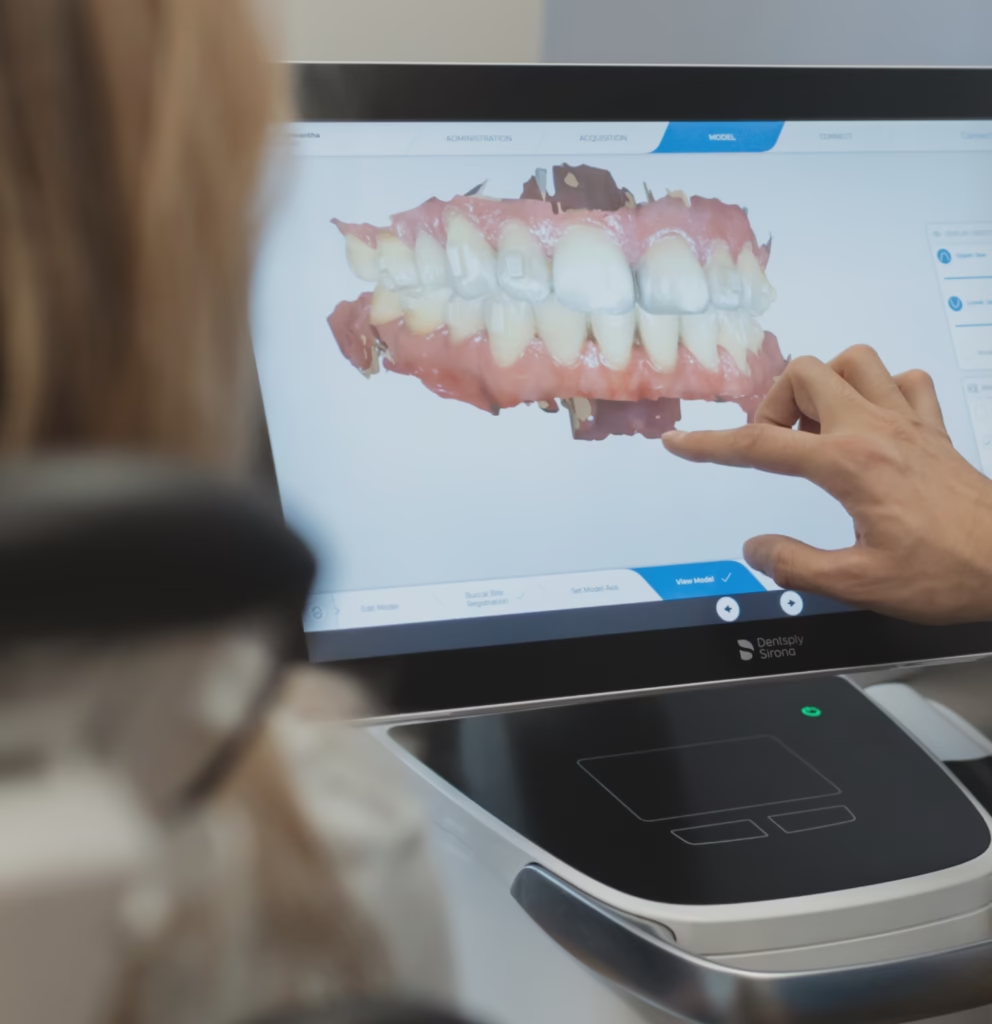
If you’ve been told you have gum disease, quitting can be an important part of your treatment plan. Our periodontal therapy includes deep cleanings below the gumline and ongoing monitoring to help keep gum disease from coming back.
Your Implants: Better Odds of Success
Smoking can affect how well dental implants heal and last. The American Dental Association reported on a study in the Journal of Periodontology that found heavy smokers had a lower implant survival rate and about twice the bone loss around their implants compared with nonsmokers. The researchers stressed the need to recommend quitting before implant placement.
If you’re considering dental implants, we’ll evaluate your bone density, oral health, and overall condition first. If you smoke, talk with us about your plans to quit. Our implant surgery page also notes that smoking can interfere with healing and implant integration, which is why we advise avoiding it during recovery. The same goes for bone grafts and gum grafts.
Your Oral Cancer Risk: Cut in Half Over Time
According to the CDC, smoking or using smokeless tobacco increases the risk of oral cancer and other head and neck cancers.
The good news is that your risk drops after you quit. The American Cancer Society reports that 5 to 10 years after quitting, “Your risk of cancers of the mouth, throat and voice box (larynx) is cut in half.” Benefits begin much sooner, too. Within 24 hours to a few days, the carbon monoxide level in your blood drops to normal.
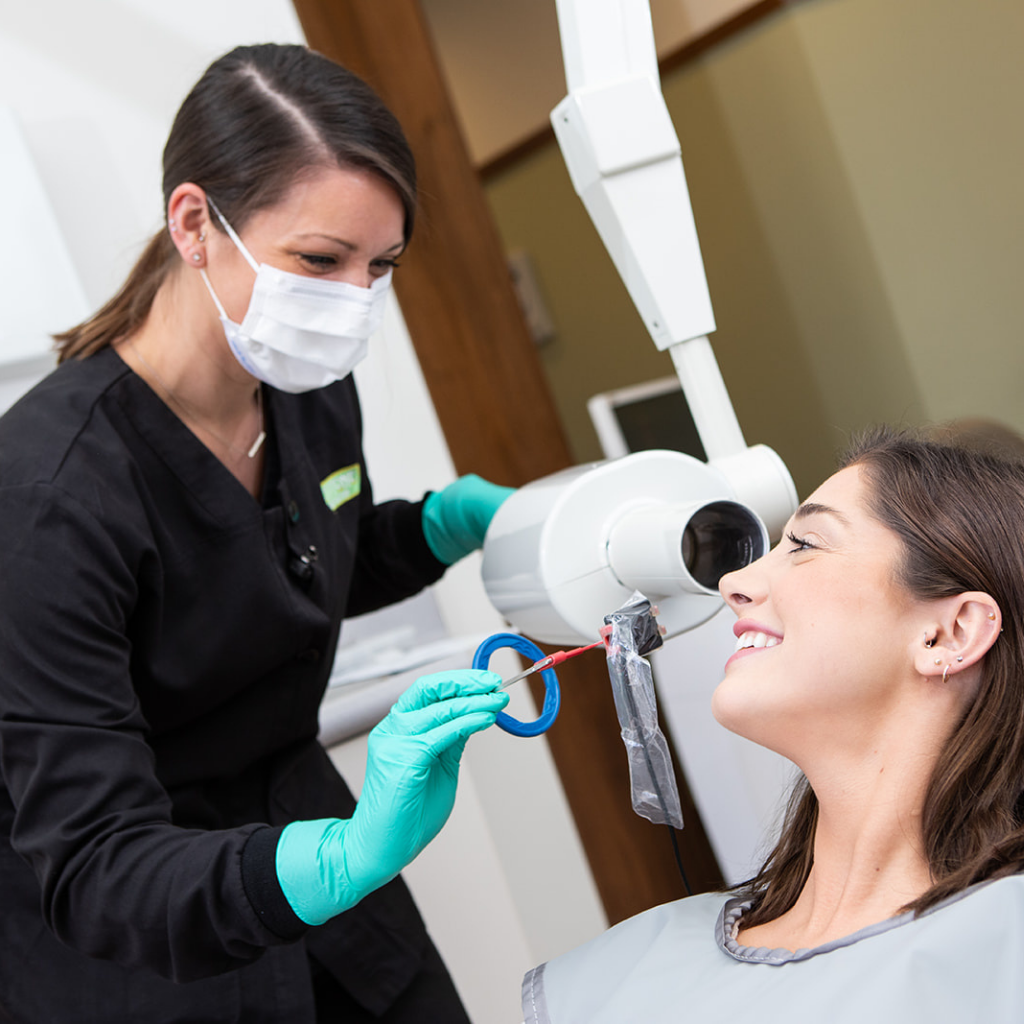
Regular screenings still matter. We recommend oral cancer screenings at least once a year, often as part of your routine exam. The screening is quick and non-invasive.
How Your Dental Team Can Help
- Tell us you’re quitting. We can keep a closer eye on your gums and healing as you make the change.
- Keep up with your cleanings and exams. Our comprehensive exams check your gums, soft tissues, and existing dental work.
- Ask about timing for treatment. If you’re planning implants or grafts, we can talk about how quitting fits into your treatment timeline.
- Get free support. The CDC lists 1-800-QUIT-NOW (1-800-784-8669) for free help quitting.
Schedule Your Exam
Keystone Dentistry is located at 2828 E. 96th Street in Indianapolis and proudly serves patients from Carmel, Indianapolis, and surrounding communities. Contact us or call (317) 575-1120 to schedule your exam or oral cancer screening.
Frequently Asked Questions
When is the Great American Smokeout in 2026?
The Great American Smokeout is held on the third Thursday of November. In 2026, that’s Thursday, Nov. 19.
Does smoking cause gum disease?
The CDC reports that people who smoke have twice the risk of gum disease compared with nonsmokers.
Will my gums get better if I quit smoking?
The CDC notes that quitting helps your gums heal after gum disease treatment.
Can I get dental implants if I smoke?
Smoking can affect implant healing and success. A study reported by the ADA found that heavy smokers had lower implant survival and more bone loss. Talk with your dentist about quitting before implant treatment.
Does quitting lower my oral cancer risk?
Yes. The American Cancer Society reports that 5 to 10 years after quitting, the risk of mouth, throat, and voice box cancers is cut in half.
How often should I get an oral cancer screening?
We recommend oral cancer screenings at least once a year, often as part of your routine dental exam.