

November is National Diabetes Month, and it’s a good time to talk about a part of diabetes care that’s easy to overlook: your gums.
Diabetes and gum disease are closely linked. High blood sugar can make gum problems more likely and more severe, and gum disease can make blood sugar harder to manage. Over time, untreated gum disease can also cause gums to pull away from the teeth, leaving roots exposed and sensitive.
Here’s what patients in Carmel, Indianapolis, and nearby communities should know about the connection, when periodontal therapy is needed, and how a gum graft can help repair the damage.
How Diabetes and Gum Disease Affect Each Other
According to the National Institute of Diabetes and Digestive and Kidney Diseases (NIDDK), high blood glucose can cause glucose to build up in your saliva. That sugar feeds the bacteria that form plaque, and if plaque isn’t removed, it can harden into tartar and lead to gum disease. NIDDK also notes that high blood glucose increases the risk that gum disease will progress from mild to severe, and that some mouth problems can make diabetes worse.
The American Diabetes Association explains that people with diabetes are at higher risk for gingivitis and periodontitis, and that the body’s inflammatory response can be stronger when diabetes targets aren’t being met.
There’s encouraging news, too. The CDC reports that “Treating gum disease significantly improves blood sugar level (glycemic control) among people with diabetes.”
Signs You May Need Periodontal Therapy
Gum disease can progress without obvious symptoms in its early stages, which is why regular exams matter. Our periodontal therapy page lists these common signs:
- Sore or tender gums
- Swollen or inflamed gums
- Bleeding when you brush or floss
- Loose teeth
NIDDK adds that gums pulling away from your teeth and bad breath that doesn’t go away with brushing are also warning signs. If you notice any of these, especially if you have diabetes, it’s time to schedule a visit.
What Periodontal Therapy Involves
At Keystone Dentistry, our hygienists and dentists work together on gum disease treatment. Depending on how advanced it is, your plan may include:
- Scaling and root planing. A deep cleaning below the gumline for more advanced gum disease.
- Preventive cleanings and better home care for early-stage concerns.
- Ongoing monitoring, with more frequent cleanings and follow-ups to help prevent gum disease from coming back.
- Laser treatment. Our laser dentistry can also be used to treat gum disease and inflammation.
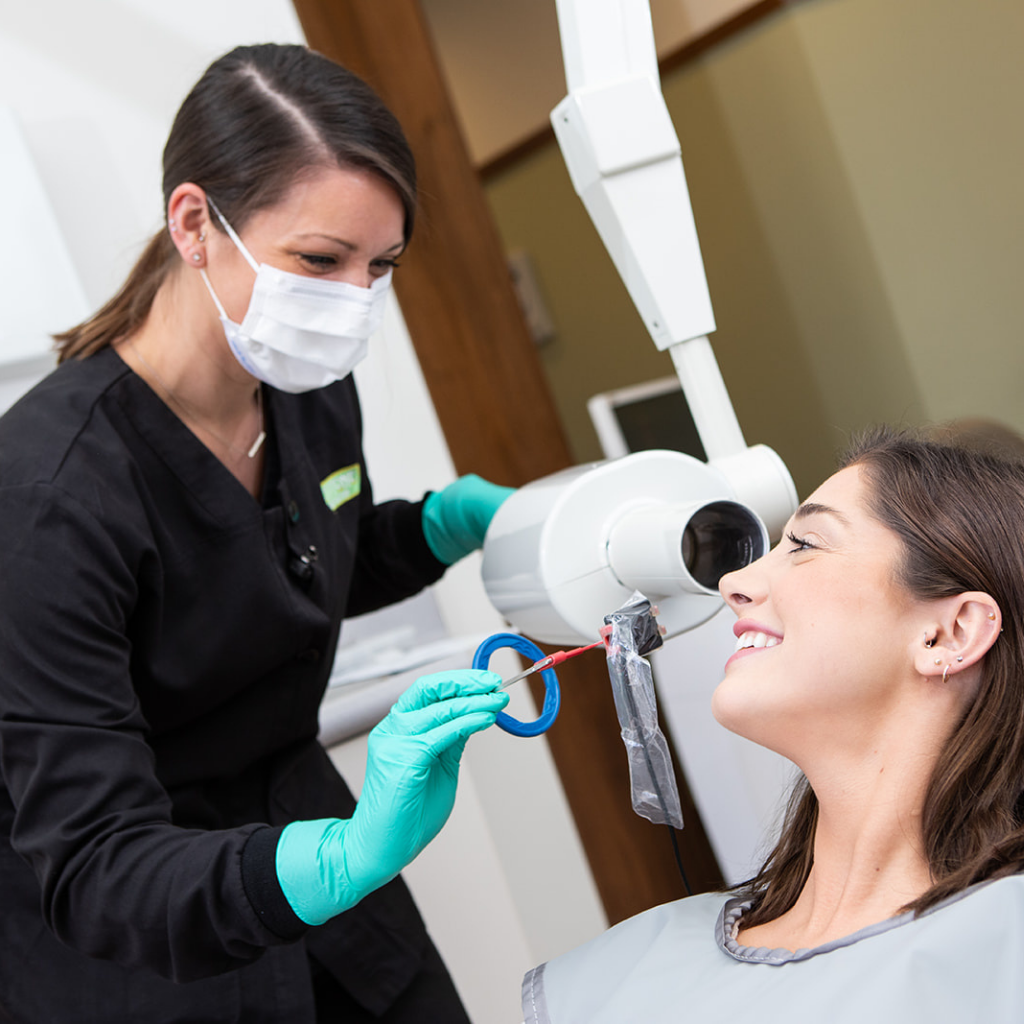
Your comprehensive exam is where it starts. We check your gum health and look for early signs of gum disease and bone loss so problems can be addressed before they become more serious.
What a Gum Graft Fixes
When gums recede, they can leave tooth roots exposed. A gum graft places tissue over those areas to replace lost gum tissue. According to our gum graft page, grafting can:
- Cover exposed tooth roots
- Reduce sensitivity to hot and cold
- Help protect against decay and wear
- Create a more even gumline
The process includes an evaluation, graft placement, and a healing period as the graft integrates with your natural gums. Initial healing takes a few weeks, and anesthesia or sedation options are available. If dental visits make you nervous, our sedation dentistry can help you feel more comfortable.
Tips for Protecting Your Gums With Diabetes
- Tell your dentist about your diabetes. NIDDK recommends sharing how long you’ve had diabetes, the medicines you take, and any changes in your blood sugar.
- Be honest about your targets. The American Diabetes Association encourages patients to tell their dentist whether they’ve been meeting their diabetes targets.
- Keep up with cleanings. Our dental cleaning page notes that most patients benefit from cleanings every six months, and some may need visits more often.
- Avoid smoking. Our periodontal therapy page notes that smoking can increase your risk of gum disease.
Paying for Periodontal Care
We accept all insurance plans and file claims on your behalf, and we offer financing through CareCredit and Cherry. See our insurance and payment plans page.
No insurance? Our in-house savings plans include a Perio plan at $76/month or $912/year, with three perio maintenance cleanings, two exams, two fluoride treatments, routine X-rays, one emergency visit, and 10% off additional treatment. A one-time enrollment fee applies, and oral surgery and other exclusions apply.
Schedule a Gum Evaluation
Keystone Dentistry is located at 2828 E. 96th Street in Indianapolis and proudly serves patients from Carmel, Indianapolis, and surrounding communities. Contact us or call (317) 575-1120 to schedule your exam.
Frequently Asked Questions
Does diabetes cause gum disease?
People with diabetes are at higher risk. High blood glucose can cause sugar to build up in saliva, which feeds the bacteria that form plaque and lead to gum disease.
Can treating gum disease help my blood sugar?
The CDC reports that treating gum disease significantly improves blood sugar control in people with diabetes.
How do I know if I need periodontal therapy?
Signs include sore, swollen, or bleeding gums, gums pulling away from teeth, and loose teeth. An exam is the best way to find out.
What is scaling and root planing?
It’s a deep cleaning below the gumline used to treat more advanced gum disease.
What does a gum graft fix?
A gum graft replaces lost gum tissue, covers exposed roots, reduces sensitivity, and helps protect teeth from decay and wear.
How long does gum graft recovery take?
Initial healing typically takes a few weeks, with full integration happening over time.