

People with sensitive teeth may still be candidates for professional teeth whitening in Indianapolis. At Keystone Dentistry, whitening begins with an evaluation of oral health, sensitivity, existing dental work, and smile goals. Dentist-supervised treatment makes it possible to choose an appropriate whitening approach while monitoring comfort and protecting the gums during treatment.
Tooth sensitivity is one of the biggest concerns people have before whitening their smiles. A patient may want brighter teeth but hesitate because cold drinks, candy, or even cool Indianapolis air already cause a quick “zing.”
The good news is that sensitivity does not automatically rule out whitening. A sensitive teeth whitening dentist in Indianapolis, IN, can first identify why the teeth are sensitive and determine whether whitening is appropriate.
Keystone Dentistry provides cosmetic dentistry, including professional teeth whitening, from its office at 2828 E. 96th Street in Indianapolis. The practice emphasizes personalized treatment planning, patient comfort, and comprehensive evaluations rather than a one-size-fits-all approach.
Can People With Sensitive Teeth Safely Whiten Their Teeth?
Often, yes—but professional evaluation is particularly important.
The American Dental Association notes that temporary tooth sensitivity and gum irritation are among the most common side effects of whitening. Sensitivity can occur because peroxide used in whitening passes through enamel and dentin and may temporarily affect the pulp inside the tooth.
Existing sensitivity should therefore be discussed before treatment. A dentist may need to determine whether discomfort comes from exposed tooth roots, gum recession, cavities, cracks, worn enamel, or another dental condition.
Patients experiencing active dental problems may need those concerns addressed before cosmetic whitening begins.
Why Can Teeth Whitening Cause Sensitivity?
Professional whitening commonly relies on hydrogen peroxide or carbamide peroxide to break down colored compounds within teeth. These ingredients can brighten natural tooth structure, but peroxide exposure may temporarily increase sensitivity in some patients.
Several factors can influence the chance or intensity of sensitivity, including:
- Whitening-agent concentration
- Length of exposure
- Existing tooth sensitivity
- Gum recession or exposed root surfaces
- Existing restorations
- Frequency of whitening
- Individual response to peroxide
The ADA reports that mild-to-moderate sensitivity can occur during whitening and generally describes this effect as temporary. Higher concentrations can increase sensitivity risk, while research reviewed by the ADA has found that lower hydrogen peroxide concentrations may produce less sensitivity.
That makes individualized treatment particularly valuable for someone who already has sensitive teeth.
Professional and Store-Bought Whitening Options Compared
The exact product, concentration, and protocol should be determined for each patient rather than assumed in advance.
| Treatment Approach | Gel Concentration | Sensitivity Level | Enamel Barrier Protection | Ideal Candidate |
| In-Office Desensitized Whitening | 25% Hydrogen Peroxide + ACP | Low to None | Professional Gingival Mask | Patients with existing dentin hypersensitivity |
| Customized Take-Home Trays | 10%–15% Carbamide Peroxide | Mild | Custom-molded edge seals | Patients wanting gradual shade change |
| Store-Bought Whitening Strips | 6%–10% Unbuffered Peroxide | High / Uncontrolled | None (gel leaks onto gums) | Minor maintenance (Not recommended for sensitive teeth) |
Custom dental trays can help limit unnecessary gel contact with the gums because they are made to fit the patient’s mouth. The ADA notes that dentist-supervised tray whitening commonly uses carbamide peroxide formulations and treatment schedules based on the concentration being used.
Is “Painless Teeth Whitening” Really Possible?
People searching for painless teeth whitening should understand that no responsible whitening treatment can guarantee that every patient will experience absolutely zero sensitivity.
A more realistic goal is comfortable, carefully managed whitening.
Professional supervision allows a cosmetic dentist to examine sensitive areas, select an appropriate treatment strategy, monitor the gums, and adjust recommendations based on the patient’s response.
Keystone Dentistry states that its cosmetic treatment process begins with a comprehensive consultation followed by a customized treatment plan based on the patient’s needs, lifestyle, and goals.
That personalized approach can be especially important when sensitivity is already present.
Patients Should Know About GLO Whitening Sensitivity
GLO whitening sensitivity is a common search topic because light-assisted, in-office whitening treatments can sometimes cause temporary sensitivity.
However, “GLO” is a specific whitening brand. Keystone Dentistry’s current website identifies GLO as a premier whitening system used by the practice, so patients interested in this advanced technology can rely on its professional-grade delivery.
More broadly, the ADA explains that in-office whitening may use peroxide gel with or without light activation. Sensitivity can be influenced by peroxide concentration, contact time, and the intensity or duration of light exposure.
The safest comparison is therefore not simply “GLO versus strips.” The better question is: Which whitening protocol is appropriate for these particular teeth?
What Happens Before Whitening Sensitive Teeth?
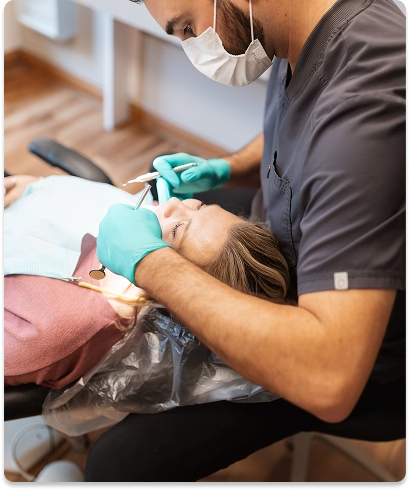
A professional evaluation can help determine whether discoloration is suitable for whitening and whether sensitivity requires attention first.
A typical conversation may include:
- Identifying the source of sensitivity. The dentist examines the teeth and gums for conditions that could make whitening uncomfortable.
- Evaluating the type of staining. Coffee, tea, wine, aging, medications, and other factors can create different kinds of discoloration.
- Reviewing existing restorations. Crowns, veneers, fillings, and other tooth-colored restorations do not whiten in the same way as natural teeth.
- Discussing the desired result. Patients can explain how much change they want and how quickly they hope to achieve it.
- Selecting an appropriate approach. The dentist can recommend professional whitening or an alternative cosmetic treatment based on the examination.
The ADA specifically recommends that people with preexisting sensitivity discuss whitening risks and benefits with their dentist before beginning treatment.
Lifestyle Habits Make Teeth Look Darker
Everyday foods and beverages can contribute to surface staining over time.
Coffee before work, iced coffee during an afternoon drive, tea, red wine, dark sauces, and local craft beverages can gradually affect smile brightness. These habits are common throughout Indianapolis, whether someone lives near Keystone Crossing, Castleton, Carmel, or northern Indianapolis.
Acidic beverages may also be uncomfortable for people whose teeth are already sensitive.
Whitening does not mean patients have to stop enjoying favorite beverages completely. Practical habits can help protect results:
- Rinse the mouth with water after dark-colored drinks.
- Maintain consistent brushing and flossing.
- Keep regular professional cleaning appointments.
- Avoid excessive or repeated bleaching without dental guidance.
- Ask a dentist before combining multiple whitening products.
Professional cleaning may also remove some external staining before a patient decides whether additional whitening is needed.
When Should Whitening Be Postponed?
Sensitivity can occasionally signal a problem that deserves attention before cosmetic treatment.
A dental examination should come first when a patient has:
- Persistent tooth pain
- Untreated cavities
- Cracked or damaged teeth
- Significant gum recession
- Active gum inflammation
- Severe sensitivity to hot or cold
- Recent unexplained changes in tooth color
The ADA notes that people with cavities, active infections, or gum recession may experience increased irritation or sensitivity from whitening.
Treating the underlying dental condition is more important than immediately changing tooth color.
Consult a Cosmetic Dentist Before Whitening
A cosmetic dentist can look beyond tooth shade alone.
Keystone Dentistry describes its cosmetic approach as combining aesthetic improvement with oral health, personalized planning, and patient comfort. Its cosmetic services include professional teeth whitening along with options such as veneers, bonding, and smile makeovers.
This matters because whitening is not always the best solution for every type of discoloration.
For example, natural teeth can respond to peroxide whitening, while crowns and tooth-colored restorations generally do not whiten along with surrounding enamel. Some deeper discoloration may also respond differently than ordinary surface staining.
A professional evaluation helps establish realistic expectations before treatment begins.
A Brighter Smile Does Not Have to Mean Ignoring Sensitivity
Sensitive teeth should change the planning behind whitening—not automatically eliminate whitening as an option.
Patients can start by identifying the source of sensitivity, discussing previous whitening experiences, reviewing current restorations, and asking which professional approach provides the right balance between whitening goals and comfort.
For people in Indianapolis, Carmel, Keystone Crossing, Castleton, and surrounding communities, Keystone Dentistry offers personalized cosmetic dental care focused on comfort, precision, and individual treatment goals.
Patients considering professional whitening can call (317) 575 -1120 to schedule a cosmetic consultation and find out whether teeth whitening is appropriate for their smile.
FAQS
Can I get my teeth whitened if I already have sensitive teeth?
Yes, patients with sensitive teeth can safely undergo professional teeth whitening in Indianapolis, IN. At Keystone Dentistry, we customize in-office whitening protocols using lower, buffered peroxide concentrations paired with desensitizing agents like potassium nitrate to prevent nerve irritation.
Why does teeth whitening cause sensitivity in the first place?
Teeth whitening causes temporary sensitivity when peroxide penetrates the enamel to break up deep stains, temporarily opening microscopic dentinal tubules. This exposes the inner tooth nerves to thermal changes from cold air, hot coffee, or icy drinks.
How does Keystone Dentistry make in-office whitening painless for sensitive teeth?
Keystone Dentistry protects sensitive teeth by applying a protective gingival barrier over the gums, using desensitizing gels containing Amorphous Calcium Phosphate (ACP), and customizing the exposure time and gel strength based on your enamel tolerance.
How long do professional teeth whitening results last for patients with sensitive teeth?
Professional whitening results typically last anywhere from 12 to 24 months, depending heavily on your daily dietary habits, oral hygiene routine, and whether you utilize custom touch-up trays provided by our Indianapolis team.
Is GLO Whitening safe for people with tooth sensitivity?
Yes, GLO Whitening can be safely customized for sensitive teeth. By adjusting application protocols and applying targeted desensitizing formulas before and after treatment, our Indianapolis dental team minimizes post-treatment zingers.
Why do over-the-counter whitening strips cause more pain than professional whitening?
Drugstore whitening strips lack custom fit and isolation barriers, allowing acidic, unbuffered gels to leak onto soft gum tissues and exposed tooth roots. Professional treatments keep high-potency gels strictly on enamel while protecting delicate tissue.
How should I prepare my sensitive teeth before a professional whitening session?
We recommend brushing with a desensitizing toothpaste containing potassium nitrate (such as Sensodyne) for 10 to 14 days before your appointment at our Indianapolis office to build up nerve desensitization.
What should I avoid eating or drinking right after whitening sensitive teeth in Indy?
For 48 hours post-whitening, follow a “white diet” and avoid dark, acidic foods and drinks like cold brew from local Indy coffee shops, red wine, tomatoes, and citrus fruits while your enamel tubules rehydrate and seal.
How long do professional whitening results last for sensitive teeth?
Professional in-office whitening results typically last 12 to 24 months. Duration depends on your lifestyle habits, dental hygiene routine, and periodic touch-ups using custom desensitizing take-home trays provided by Keystone Dentistry.
Where can I find a teeth whitening dentist in Indianapolis specializing in sensitive teeth?
Keystone Dentistry offers customized, painless teeth whitening for patients across Northern Indianapolis, Castleton, Keystone Crossing, and Carmel. You can schedule a consultation online or visit our office near the Keystone Fashion Mall area.