

Bone Grafting in Indianapolis, IN
Bone grafting helps rebuild and support your jawbone when bone loss has occurred. At Keystone Dentistry, we use advanced techniques to restore bone structure—creating a strong, stable foundation for future treatments like dental implants.


Build strength where it matters most

A healthy smile starts with a strong foundation. When bone loss affects your jaw, it can limit your treatment options and impact long-term oral health. Bone grafting allows us to restore that foundation—supporting both function and future care.
What bone grafting does
Bone grafting replaces or rebuilds lost bone in the jaw, helping restore structure and prepare your mouth for future treatments. It is often recommended before dental implants or when bone loss affects stability and function.

Foundation & Support
- Rebuilds lost jawbone structure
- Prepares the area for dental implants
- Creates a stable foundation for restorations

Long-Term Health & Stability
- Prevents further bone deterioration
- Supports facial structure and alignment
- Improves long-term oral health
Benefits of Bone Grafting

Restores Bone Volume
Rebuilds areas where bone loss has occurred.

Supports Future Treatments
Creates the necessary foundation for implants and other restorations.

Improves Stability
Strengthens the jaw to support proper bite and function.

Prevents Further Loss
Helps stop the progression of bone deterioration.

Enhances Facial Structure
Maintains natural facial contours and support.

Long-Term Health Benefits
Supports overall oral health and future treatment success.

Planned for comfort and healing
At Keystone Dentistry, we focus on precision and patient comfort throughout the process:

Advanced Imaging & Planning
We assess your bone structure using detailed scans to plan treatment accurately.

Gentle, Minimally Invasive Techniques
Our approach prioritizes comfort while supporting effective healing.

Healing-Focused Care
We guide you through recovery to ensure the graft integrates properly with your natural bone.
How Bone Grafting Works
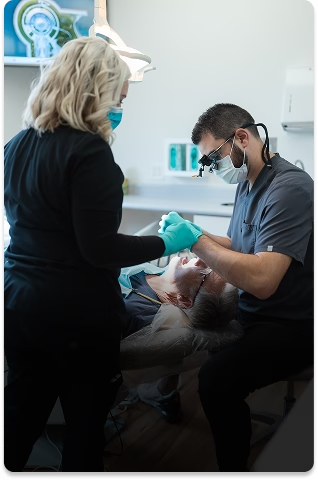
Step 1 - Evaluation & Planning
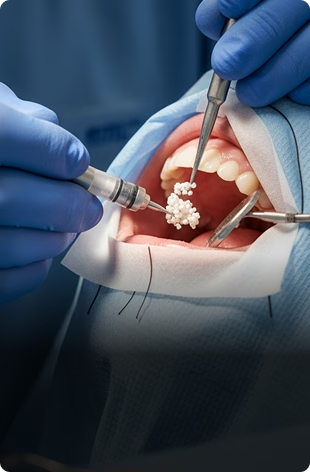
Step 2 - Graft Placement
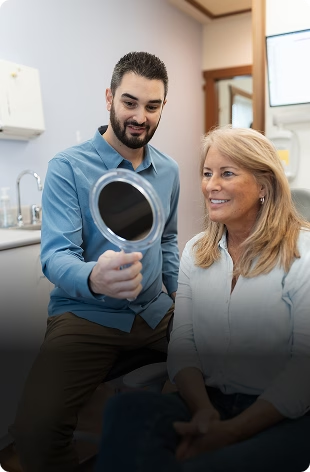
Step 3 - Healing & Integration

Step 4 - Ready for Next Steps
How To Care For Your Mouth After Bone Grafting
Protecting the Graft Site
Do not disturb the graft site or apply pressure to the area. Avoid chewing on that side and follow a soft food diet to keep the graft stable during the early healing phase. It is normal to notice small granules in your mouth, but excessive disruption should be avoided.
Managing Discomfort and Swelling
Swelling, mild bleeding, and discomfort are common after bone grafting and can be managed with prescribed or recommended medications. Applying cold compresses during the first 24 hours can help reduce swelling.
Maintaining Proper Oral Care
Avoid vigorous rinsing, spitting, using straws, or smoking, as these actions can dislodge the graft material. Use any prescribed rinses as directed and maintain gentle oral hygiene around the area to support proper healing.
Bone Grafts FAQs
Is bone grafting painful?
The procedure is performed with anesthesia or sedation, making it comfortable for most patients.
How long does healing take?
Healing typically takes a few months, depending on the extent of the graft and your individual response.
What happens after healing?
Once the graft has integrated, your jaw will be ready for implants or other restorative treatments.
Care That Makes a Meaningful Difference
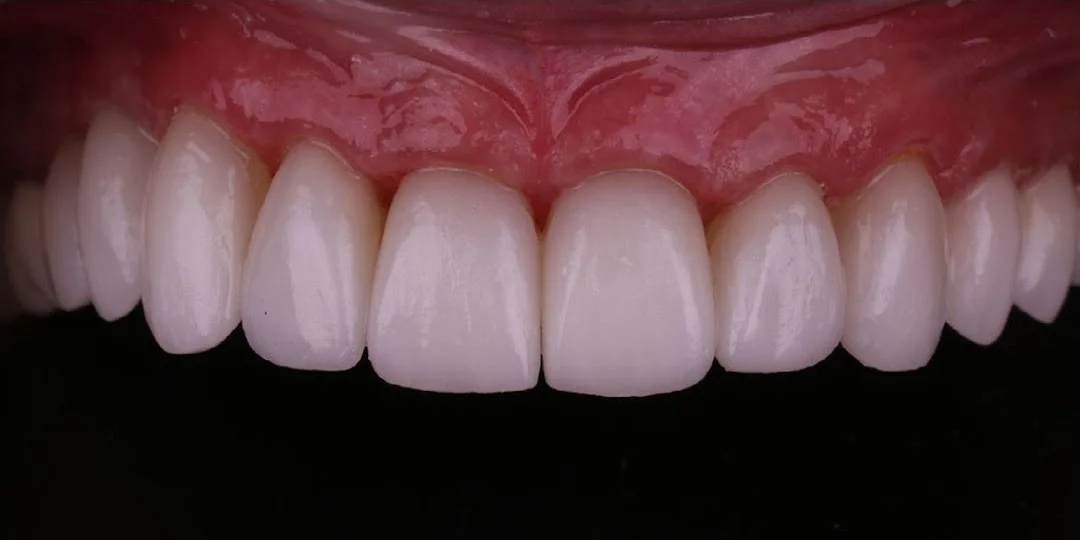
What Our Patients Say
Conveniently Located, Easy to Find
Thu: 7:40am – 4:00pm