
For a lot of people, dental anxiety is very real, and it’s often the reason important care gets postponed for years. The good news? You don’t have to white-knuckle your way through a dental visit. At Keystone Dentistry in Indianapolis, sedation dentistry offers several ways to help you feel calm, comfortable, and completely at ease.
But which type is right for you? Here’s a clear breakdown of the three main sedation options, nitrous oxide, oral sedation, and IV sedation, and how to think about choosing.
First: What Is Sedation Dentistry?
Sedation dentistry uses safe, proven methods to help you relax during dental treatment. As the American Dental Association notes, several medications are available to create more relaxed, comfortable dental visits, some help you relax, and the right approach depends on factors like the procedure, your overall health, and your anxiety level.
The key point: sedation isn’t one-size-fits-all. That’s why Keystone Dentistry offers multiple levels, so your comfort can be matched to your needs.
Learn more about anesthesia and sedation from the ADA here.
Explore our sedation dentistry options here.
Option 1: Nitrous Oxide (“Laughing Gas”)
Best for: Mild anxiety and a fast, flexible option
Nitrous oxide is a light, fast-acting sedative you breathe in through a small mask. It creates a gentle, relaxed, “floating” sensation while keeping you fully awake and able to respond.
Key features:
- Takes effect within minutes
- You stay conscious and in control
- Effects wear off quickly, so you can typically drive yourself home and return to your day
Nitrous is a great choice for patients with mild nervousness who want an easy, low-commitment way to take the edge off.
Option 2: Oral Conscious Sedation
Best for: Moderate anxiety
With oral sedation, you take a prescribed medication (usually a pill) before your appointment. It produces a deeper level of relaxation than nitrous, many patients feel drowsy and remember little about the procedure, though they remain conscious.
Key features:
- Deeper relaxation than nitrous oxide
- Taken as a pill, no needles required to get started
- You’ll need someone to drive you to and from your appointment
Oral sedation is ideal for patients whose anxiety is more than mild, or who are facing a longer or more involved procedure.
Option 3: IV Sedation
Best for: Significant anxiety or more complex procedures
IV (intravenous) sedation delivers sedative medication directly into the bloodstream, allowing for the deepest, most controlled level of relaxation of the three. Because it’s administered intravenously, its effects can be adjusted precisely throughout your treatment.
Key features:
- The deepest level of sedation offered
- Precisely controlled and monitored throughout
- Many patients have little to no memory of the procedure
- You’ll need someone to drive you home
IV sedation is often the best fit for patients with severe dental anxiety, those needing extensive treatment, or anyone who wants the most profound level of relaxation.
How to Choose the Right Sedation for You
There’s no universally “best” option, only the best one for your situation. The right choice depends on:
- Your anxiety level — mild, moderate, or severe
- The procedure — a routine cleaning vs. a complex restoration
- Your health history — including medications and allergies
- Your preferences — how deeply relaxed you want to be
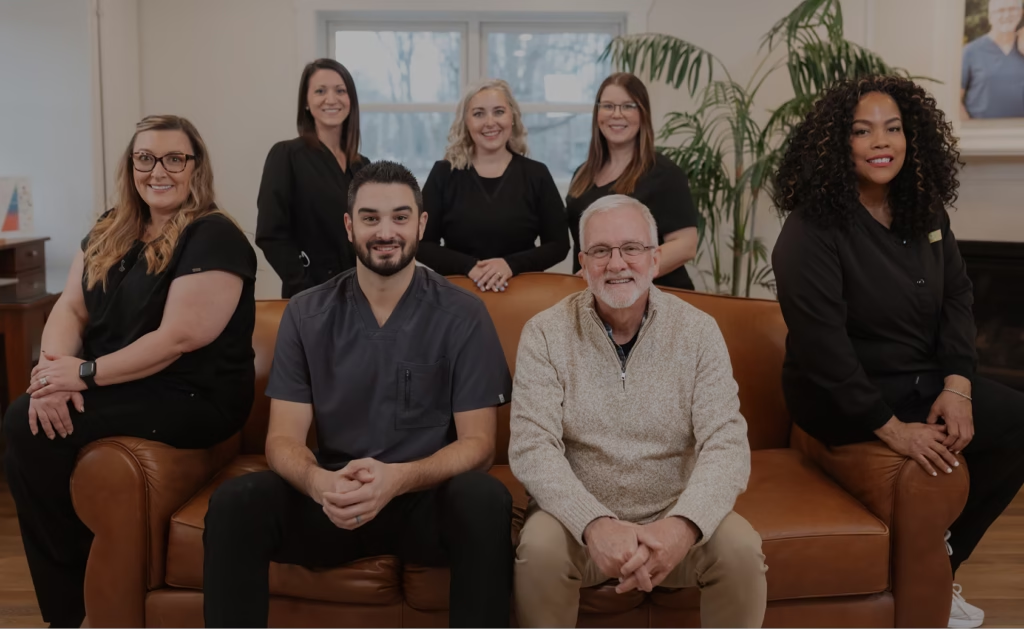
This is a conversation to have with your dentist. At Keystone Dentistry, Dr. Kitcoff and Dr. Kinney take the time to understand your concerns and recommend the option that fits you best, so you feel safe and supported every step of the way.
Don’t Let Fear Keep You From Care
Dental anxiety is common, but it doesn’t have to stand between you and a healthy smile. With three sedation options available, there’s a comfortable path forward for nearly everyone.
Ready to talk about which option is right for you? Contact Keystone Dentistry today.
Frequently Asked Questions
Is sedation dentistry safe?
Sedation dentistry is considered safe when administered by trained dental professionals. Your dentist reviews your health history, medications, and anxiety level to determine the most appropriate and safe option for you, and monitors you throughout treatment.
Will I be unconscious during my procedure?
It depends on the type. With nitrous oxide and oral sedation, you remain conscious, just deeply relaxed. IV sedation provides the deepest level of relaxation, and many patients remember little of the procedure, but it’s not the same as general anesthesia.
Which sedation option is best for severe dental anxiety?
For significant anxiety or more complex procedures, IV sedation often provides the deepest, most controlled relaxation. However, the best choice depends on your specific needs, which Dr. Kitcoff or Dr. Kinney can help you determine.
Can I drive myself home after sedation?
Usually only after nitrous oxide, which wears off quickly. Oral and IV sedation require someone to drive you to and from your appointment, since the effects last longer.