

A chipped tooth, uneven edge, small gap or stubborn discoloration can affect how you feel about your entire smile. Two of the most common ways to address these concerns are porcelain veneers and cosmetic dental bonding.
Both treatments can create natural-looking improvements, but they differ in material, longevity, cost, preparation and the types of changes they can accomplish.
For patients in Indianapolis and Carmel, the right option depends on the condition of the teeth, the number of teeth being treated and how extensive you want the final transformation to be.
What Is Cosmetic Dental Bonding?
Cosmetic bonding uses a tooth-colored composite resin to repair or reshape a tooth.
The material is applied directly to the tooth, sculpted into the desired shape, hardened with a curing light and polished to blend with the surrounding enamel. Keystone Dentistry can often complete the procedure in one visit.
Bonding may be used to improve:
- Small chips
- Worn or uneven edges
- Minor gaps
- Surface discoloration
- Short or irregularly shaped teeth
- Minor cracks
- Small areas of enamel loss
Because bonding usually requires little or no enamel removal, it is considered one of the more conservative cosmetic dental treatments.
What Are Porcelain Veneers?
Porcelain veneers are thin, custom-made shells that cover the front surfaces of selected teeth.
Veneers can change several features at once, including a tooth’s:
- Color
- Shape
- Width
- Length
- Symmetry
- Visible alignment
Keystone Dentistry designs veneers to complement the patient’s facial features and surrounding teeth, with an emphasis on natural-looking results rather than a one-size-fits-all smile.
The American Dental Association explains that porcelain veneers are strong, stain-resistant and long-lasting. However, treatment typically requires removing a small amount of enamel, making the decision a long-term commitment.
Porcelain Veneers vs. Bonding at a Glance
| Consideration | Dental Bonding | Porcelain Veneers |
| Material | Tooth-colored composite resin | Custom porcelain shells |
| Best for | Small or localized imperfections | Broader color, shape and symmetry changes |
| Treatment time | Often one visit | Usually requires planning, preparation and placement |
| Enamel removal | Usually minimal or none | A small amount is commonly removed |
| Reversibility | Often considered reversible | Generally not reversible |
| Stain resistance | Can stain over time | More resistant to staining |
| Durability | Usually several years | Often 10 years or longer |
| Repair | Generally easier to repair | May require veneer replacement |
| Upfront cost | Usually lower | Usually higher |
| Number of teeth | Often one or a few teeth | Often used across several visible teeth |
The comparison is general. Your actual recommendation may differ based on your bite, enamel, existing dental work and cosmetic goals.
Which Treatment Looks More Natural?
Both treatments can look natural when carefully planned and completed by an experienced dentist.
Porcelain reflects light in a way that closely resembles natural enamel. It also retains its shade better than composite resin, which can make veneers a strong option for patients seeking a consistent transformation across several teeth.
Bonding can blend beautifully with surrounding enamel, particularly when repairing one chipped edge or making a subtle change. However, composite resin may not maintain the same polish, translucency or stain resistance as porcelain over many years.
The dentist’s attention to shape, proportions, surface texture and shade selection matters with either treatment.
Which Option Lasts Longer?
Porcelain veneers generally last longer than cosmetic bonding.
Keystone Dentistry advises that well-maintained porcelain veneers may last approximately 10 to 25 years, although individual results vary. A veneer may eventually chip, loosen, wear or need replacement.
According to the medically reviewed Cleveland Clinic dental bonding guide, bonding commonly lasts about three to 10 years before it requires a touch-up or replacement.
Longevity depends on:
- Bite forces
- Teeth grinding or clenching
- Oral hygiene
- Diet
- Nail biting
- Chewing on pens or ice
- Using teeth to open packaging
- The location and size of the restoration
- Regular dental care
Patients who grind their teeth may need a nightguard to protect either treatment.
Which Treatment Is More Conservative?
Bonding is usually the more conservative option because it often requires little or no removal of healthy enamel.
The composite resin is added directly to the tooth and can generally be repaired or adjusted. In some situations, bonding can also be removed without permanently changing the underlying tooth.
Porcelain veneers commonly require a thin layer of enamel to be removed so the restorations fit properly and do not appear bulky. Because enamel does not grow back, prepared teeth will continue to require veneers or another restoration in the future.
Patients who are uncertain about making a permanent change may prefer bonding when it can realistically achieve their goals.
Which Option Is Better for Stained Teeth?
The answer depends on the type and severity of the discoloration.
Professional teeth whitening may be enough for natural teeth with common surface or age-related stains. Bonding can cover a small discolored area, but composite resin may stain over time.
Porcelain veneers may be more effective for:
- Deep discoloration
- Uneven tooth color
- Stains that do not respond to whitening
- Several visible teeth with different shades
- Patients seeking simultaneous color and shape changes
Existing bonding and porcelain do not whiten like natural enamel. If whitening is part of the smile plan, it should usually be discussed before selecting the final restoration shade.
Which Is Better for Chipped Teeth?
Bonding is often an excellent option for a small chip on an otherwise healthy tooth. The dentist can add resin to the missing area and reshape the edge, often during one appointment.
A veneer may be considered when:
- The chip is larger
- Several teeth have worn or uneven edges
- The patient also wants to change color or shape
- Previous bonding repeatedly breaks or stains
- A more comprehensive cosmetic change is desired
A tooth with major structural damage may require a crown rather than bonding or a veneer. The dentist must evaluate how much healthy tooth remains before recommending treatment.
Which Is Better for Gaps or Crooked Teeth?
Both bonding and veneers can visually close small gaps or make mildly uneven teeth appear more symmetrical.
However, neither treatment physically moves the teeth. If spacing, crowding or bite alignment is significant, orthodontic care may provide a healthier and more conservative solution.
Keystone Dentistry may recommend SimplyClear aligners before or instead of cosmetic restorations when tooth movement would better address the underlying concern.
In some smile makeovers, orthodontics is completed first, followed by bonding or veneers for final shape and color improvements.
How Much Do Bonding and Veneers Cost?
Cosmetic bonding generally has a lower upfront cost because the material is applied directly to the tooth and often completed in one visit.
Porcelain veneers typically cost more because treatment involves:
- Detailed smile planning
- Tooth preparation
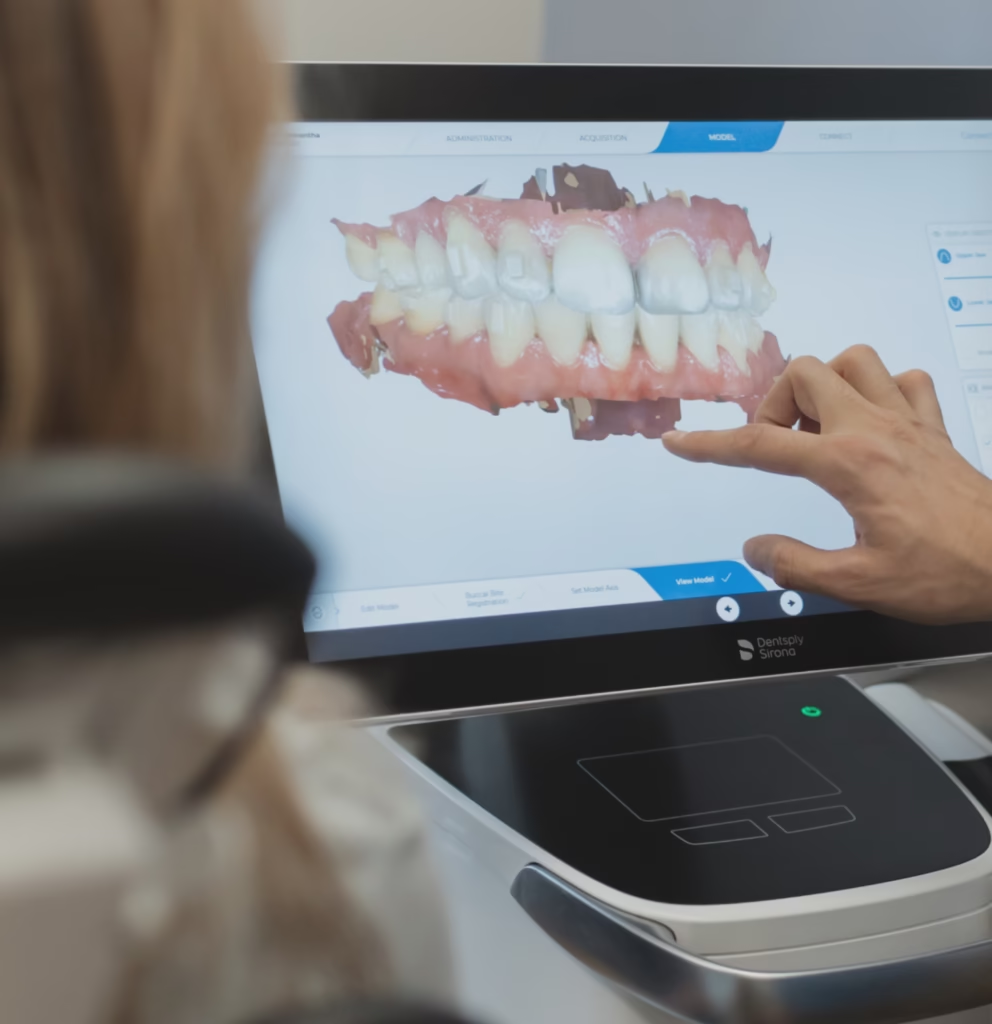
- Digital scans or impressions
- Custom fabrication
- Higher-cost porcelain materials
- Temporary restorations when needed
- A separate placement appointment
The total also depends on how many teeth are treated. Improving one chipped tooth with bonding will cost less than designing porcelain veneers across the visible smile.
Keystone Dentistry provides a personalized estimate after evaluating the teeth and discussing the desired result. Cosmetic treatment is not always covered by dental insurance, so patients should review the practice’s insurance and payment options.
Members of Keystone Dentistry’s in-house plan receive 10% off eligible additional treatments, but exclusions apply. Ask whether a planned cosmetic procedure qualifies.
Who Is a Good Candidate for Bonding?
Bonding may be the better option if you:
- Have one or two small imperfections
- Want a conservative treatment
- Prefer a lower initial cost
- Want treatment completed quickly
- Are comfortable with future touch-ups
- Have healthy teeth and gums
- Want to preserve as much enamel as possible
Bonding may not be the most predictable choice for extensive damage, severe staining or a major multi-tooth transformation.
Who Is a Good Candidate for Porcelain Veneers?
Veneers may be the better option if you:
- Want to improve several visible teeth
- Have deep or uneven discoloration
- Want significant changes in shape or symmetry
- Prefer greater stain resistance
- Want a longer-lasting cosmetic solution
- Understand that treatment is generally irreversible
- Have healthy teeth and gums
- Are prepared to protect and eventually replace the restorations
Patients with untreated cavities, active gum disease or significant teeth grinding may need other treatment before veneers are considered.
Can Bonding and Veneers Be Used Together?
Yes. A personalized smile plan does not always require the same treatment on every tooth.
For example, porcelain veneers might be used on several highly visible front teeth, while bonding refines a neighboring tooth with a smaller imperfection. Whitening, orthodontics or gum contouring may also be incorporated when appropriate.
The goal is to recommend the least invasive combination that can predictably achieve the desired result.
Choosing a Cosmetic Dentist Near Indianapolis and Carmel
Cosmetic dentistry requires both clinical skill and an understanding of proportion, color and facial balance.
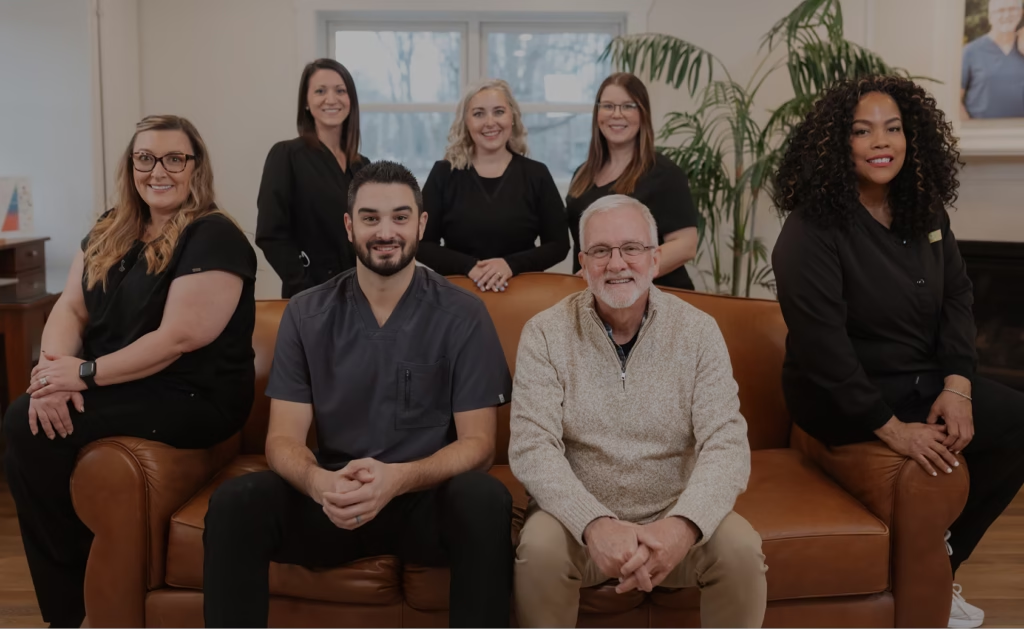
Keystone Dentistry has served Indianapolis-area patients for more than 30 years. Dr. Nicholas Kitcoff, Dr. Wayne Kinney and the team provide cosmetic treatment designed around the individual rather than applying the same smile shape to every patient.
The practice is conveniently located on East 96th Street, making it accessible to patients from both Indianapolis and Carmel.
During a cosmetic consultation, the team can:
- Examine the teeth and gums
- Review your bite
- Discuss the changes you want
- Evaluate bonding, veneers and alternative treatments
- Explain how much enamel preparation is needed
- Review expected longevity
- Provide a personalized estimate
- Show relevant treatment examples when available
To explore cosmetic bonding or porcelain veneers, contact Keystone Dentistry or call (317) 575-1120.
The office is located at 2828 E. 96th Street, Indianapolis, IN 46240, near Carmel.
Frequently Asked Questions
1. Is dental bonding reversible?
Bonding is often considered reversible because it generally requires little or no enamel removal. The exact answer depends on how the tooth was prepared.
2. Are porcelain veneers permanent?
Veneer treatment is considered irreversible because a small amount of enamel is commonly removed. Veneers do not last forever, so treated teeth may eventually need replacement restorations.
3. Does bonding stain?
Composite resin can stain over time, especially with frequent exposure to coffee, tea, red wine or tobacco. Porcelain is generally more stain-resistant.
4. Can bonding fix one chipped front tooth?
Yes. Repairing a small chip on an otherwise healthy tooth is one of the most common uses for cosmetic bonding.
5. Are veneers better than bonding?
Neither treatment is universally better. Bonding may be preferable for conservative, affordable corrections, while veneers may provide greater durability and more comprehensive changes.
6. Will insurance pay for bonding or veneers?
Insurance may contribute when treatment is medically necessary, but procedures completed solely for cosmetic reasons are often excluded. Coverage depends on the plan and diagnosis.
7. Can I see what my smile may look like before treatment?
Keystone Dentistry can discuss smile planning and available preview options during the consultation. Ask what digital imaging, models or temporary previews are appropriate for your case.